 info@barkatl.com

5 Dog Body Language Signals Every Pet Parent Should Know
Dogs may not be able to tell us exactly how they’re feeling, but they’re communicating with us all the time. There’s even a science behind your dog’s playstyle, too.
From a wagging tail to pinned-back ears, dogs use their bodies, faces, and movements to express excitement, fear, stress, curiosity, and everything in between. Learning to recognize these signals in a dog’s body language can help you better understand your dog and know when they’re comfortable or need a little extra space.
Dog body language is especially important in social environments like dog daycare or the dog park, where dogs are constantly interacting with new people and pups.
Why Understanding Dog Body Language Matters
Learning your dog’s body language can help you understand what they’re feeling before their behavior escalates any further.
Paying attention to their signals can help you:
- Recognize when your dog is happy and comfortable
- Identify signs of stress or nervousness
- Understand how your dog feels around other dogs
- Know when your dog needs space
- Build a stronger bond with your pup
Every dog communicates differently, and body language should always be considered in context. A wagging tail doesn’t always mean a dog is happy, and a quiet dog isn’t necessarily relaxed.
Wondering what your dog is trying to tell you? We’re sharing five common dog body language signals every pet parent should know!
1. A Relaxed Body Means Your Dog Is Comfortable

One of the easiest body language signals to recognize is a relaxed body.
When your dog is feeling comfortable and content, you may notice:
- Loose, relaxed muscles
- A naturally positioned tail
- Soft facial expressions
- Relaxed ears
- A loose, wiggly posture
A relaxed dog may casually explore their surroundings, sniff around, or interact with people and other dogs without appearing tense.
During daycare, this can be a great sign that your pup is feeling comfortable in their environment.
Of course, every dog has their own normal posture and personality, so it’s important to learn what “relaxed” looks like for your pup specifically.
2. A Wagging Tail Can Mean More Than Happiness
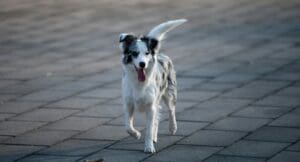
We often associate a wagging tail with a happy dog, but tail movement can communicate a lot more than excitement.
The speed, position, and movement of your dog’s tail can provide clues about how they’re feeling.
For example, a relaxed wag paired with a loose body may indicate that your dog is comfortable and happy. On the other hand, a stiff body with a high, rigidly wagging tail can mean something very different.
You may also notice your dog tuck their tail between their legs when they’re feeling nervous, fearful, or unsure.
Instead of looking at the tail alone, pay attention to your dog’s entire body.
Their:
- Ears
- Eyes
- Posture
- Facial expression
- Movement
can all help you better understand what that tail wag actually means.
3. Pinned-Back Ears Can Signal Stress or Fear
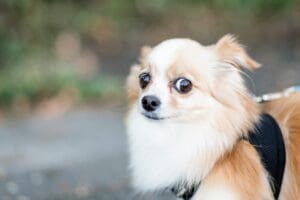
Your dog’s ears can be another helpful clue when trying to understand their mood.
Ears pulled back or pinned close to the head can sometimes indicate that your dog is feeling nervous, scared, uncomfortable, or submissive.
You may notice other signals at the same time, such as:
- A lowered body
- A tucked tail
- Avoiding eye contact
- Lip licking
- Yawning
- Moving away
If your dog displays several of these signals together, they may be telling you they’re uncomfortable and actually need some space.
At daycare, our Bark ATL team watches for these subtle changes in body language so we can help create a comfortable environment for every pup.
4. A Play Bow Usually Means “Let’s Play!”
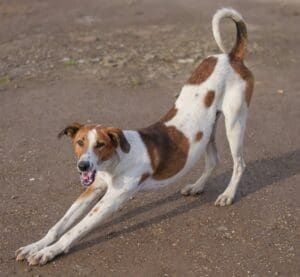
If your dog lowers their front legs while keeping their back end up in the air, you may be witnessing one of the most recognizable dog body language signals: the play bow!
A play bow typically involves:
- Front legs lowered toward the ground
- Rear end raised
- A relaxed or wiggly body
- An excited, playful expression
It’s your dog’s way of saying, “I want to play!”
You may see dogs use play bows when interacting with other dogs or even when trying to get their favorite human involved in a game.
Play bows are especially common during social play, which is one reason they’re such a fun signal to recognize at dog daycare.
5. Lip Licking, Yawning, Or Avoiding Eye Contact Can Signal Stress

Sometimes, stress signals can be easy to overlook because they don’t always look dramatic.
Dogs may lick their lips, yawn, turn their head away, or avoid eye contact when they’re feeling uncomfortable or overwhelmed.
These behaviors don’t always mean your dog is stressed. For instance, your pup might yawn because they’re tired!
That’s why context is important.
If your dog is repeatedly licking their lips, yawning, turning away, or trying to create distance while in a new or busy environment, they may be communicating that they need a break.
Recognizing these smaller signals can help you respond before your dog becomes even more overwhelmed.
Reading The Whole Picture
One of the most important things to remember about dog body language is that one signal rarely tells the whole story.
Instead of focusing on one behavior, look at your dog’s entire body and what’s happening around them.
For example, a wagging tail combined with:
- A loose body
- Relaxed ears
- A playful expression
may indicate a happy, comfortable dog.
But a wagging tail paired with:
- A stiff body
- Raised hackles
- A tense facial expression
could mean something entirely different.
Learning to read multiple signals together can give you a much better idea of how your dog is feeling.
Understanding Body Language During Dog Daycare
Dog daycare is a social environment where pups have plenty of opportunities to interact, play, explore, and communicate with one another. That also means understanding body language is especially important.
Dogs may communicate with each other through:
- Play bows
- Body posture
- Facial expressions
- Tail position
- Movement
- Vocalizations
Not every interaction looks the same, and not every dog plays the same way. Some pups love to chase, some prefer wrestling, and others may be happiest sniffing around and observing.
At Bark ATL, our team carefully monitors interactions and play to help ensure dogs are comfortable and that play remains safe and positive.
Creating A Positive Social Experience With Bark ATL
Understanding your dog’s body language is an important part of being a responsible and attentive pet parent.
At Bark ATL, our team understands that every dog has their own personality, communication style, and comfort level. We pay very close attention to how pups interact, play, and respond to their surroundings so we can provide a safe and positive daycare experience.
Whether your pup is a social butterfly or needs a little time to warm up, understanding their body language can help you better support them at daycare and at home.
Because sometimes, your dog is telling you exactly how they feel. You just have to know what to look for!
Quick Takeaways:
- A relaxed body, soft expression, and loose posture can indicate your dog is comfortable.
- A wagging tail doesn’t always mean your dog is happy, so look at their overall body language.
- Pinned-back ears, tucked tails, and avoiding eye contact can be signs that your dog is nervous or uncomfortable.
- Play bows are a common way dogs communicate that they want to play.
- Always consider the full picture, including your dog’s body, facial expressions, movements, and surroundings, when reading their behavior.
FAQ’s – Frequently Asked Questions
How can I tell if my dog is happy?
It just takes learning your dog and picking up cues! A happy, comfortable dog will often have a relaxed body, soft facial expression, naturally positioned ears, and loose movements. Some dogs may also wag their tail or show playful behaviors like the play bow.
Does a wagging tail ALWAYS mean my dog is happy?
Not necessarily! A wagging tail can communicate different emotions depending on the speed, position, and overall body posture. It’s important to look at your dog’s entire body rather than focusing on their tail alone.
What are signs that my dog is stressed?
Don’t worry! You’ll pick up on their cues the more time you spend with your furry best friend. However, common signs can include pinned-back ears, a tucked tail, lip licking, yawning, avoiding eye contact, lowering their body, or trying to move away. These behaviors should always be considered in context.
What does it mean when my dog does a play bow?
A play bow is typically just that, an invitation to play. Your dog will lower their front legs while keeping their rear end raised, often with a loose and playful body. They do this to other dogs and their favorite humans!
Is dog body language monitored at Bark ATL?
Yes! At Bark ATL, our team pays close attention to each dog’s body language during play and social interactions. We look for signs that pups are comfortable, engaged, or may need a break so we can help create a safe and positive daycare experience for everyone.
September 22, 2026 in Uncategorized. Bookmark the permalink.
